
Case study · Corporate training
FUJIFILM Business Innovation: Mental Health-Oriented Leadership with Voice Analysis
Client Overview
FUJIFILM Business Innovation Malaysia is a leading provider of digital multifunction printers, workflow solutions, and IT services, supporting organisations in building efficient, knowledge-driven workplaces. With teams frequently operating in demanding, service-oriented environments, the company recognises that sustainable performance requires not only productivity, but also strong emotional and mental wellbeing.
Challenge: From Productivity-Only to Wellness-Oriented Leadership
FUJIFILM Business Innovation wanted its leaders to go beyond traditional “target and performance” management and consciously support the mental health and emotional wellbeing of their people. Managers were expected to:
- Lead teams through constant change and digital transformation
- Handle high expectations from both customers and internal stakeholders
- Maintain productivity in an environment where stress and emotional strain can easily build up
The leadership team aimed to:
- Build a wellness culture where mental health is taken seriously
- Equip managers with people-helping skills to properly support team members in distress
- Use data-informed tools so leaders could first understand their own psychological status before helping others, aligning with growing interest in vocal and speech-based mental health indicators.
Solution: Mental Health-Oriented Leadership Program with Voice Analysis
To address this, FUJIFILM Business Innovation engaged Mr Yong to design and deliver a Mental Health-Oriented Leadership Program using a voice analysis approach.
Programme focus:
- Help managers understand their own psychological and emotional status through voice analysis
- Build people-helping skills so leaders can better support team members’ emotional wellbeing
- Shift leadership behaviour from purely productivity-driven to wellness-conscious and supportive
Voice analysis as the foundation
Voice analysis was used at the beginning of the program to:
- Identify emotional patterns, stress tendencies, and underlying psychological states by analysing vocal characteristics such as tone, pitch, and speaking rate, which research suggests can reflect emotional and mental states.
- Provide each manager with a personalised emotional profile, making their own stress signals and emotional patterns visible and concrete.
This ensured that leaders started the training by first looking inward—recognising their own emotional load and blind spots—before learning how to support others.
Program Design and Experience
The Mental Health-Oriented Leadership Program combined:
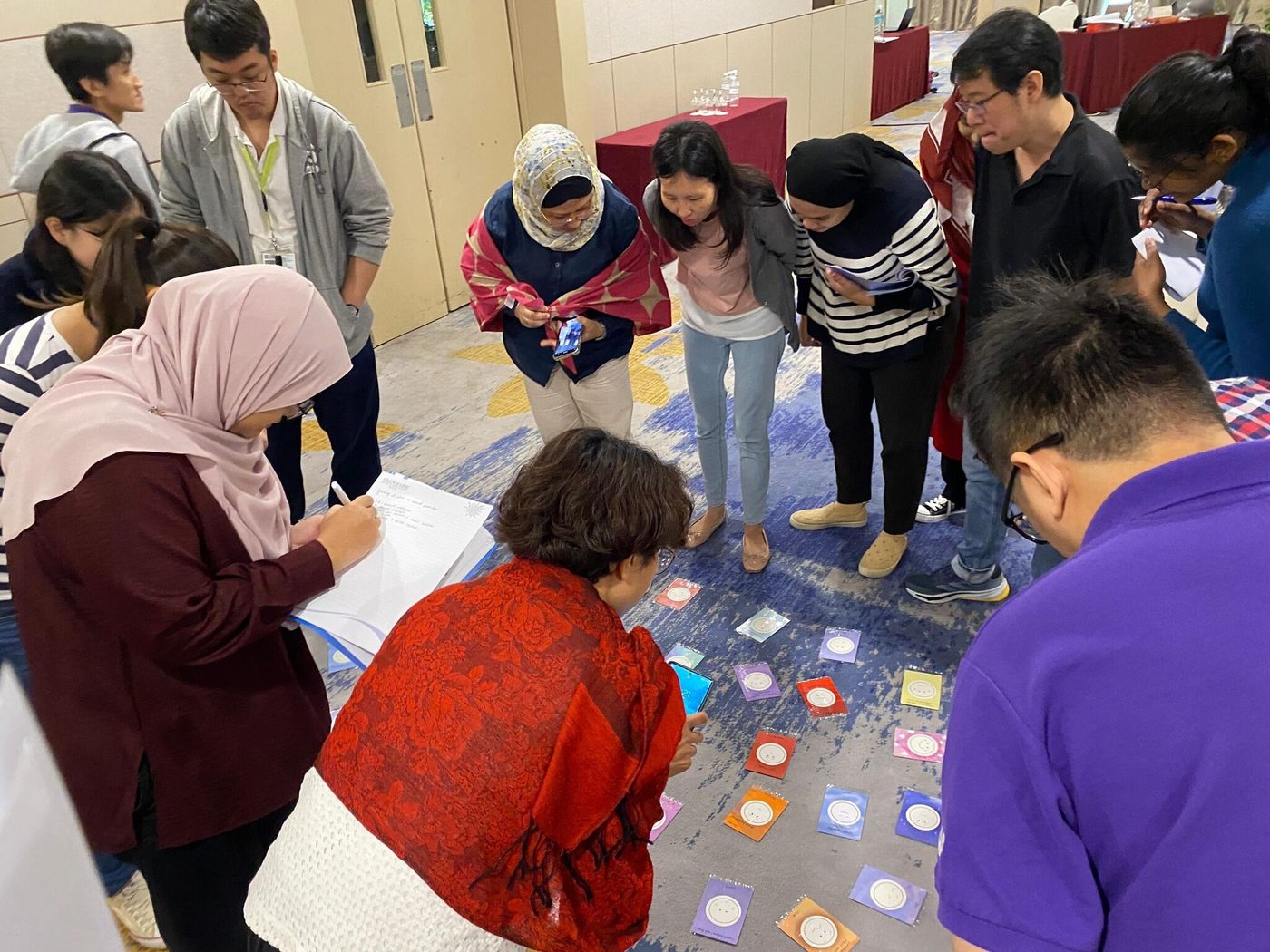
- Voice-based self-awareness: Managers reviewed their voice analysis feedback and reflected on what it revealed about their stress levels, emotional regulation, and communication tone.
- Psychological understanding: Sessions introduced practical mental health concepts tailored for leaders—how stress builds, early signs of emotional strain, and how unaddressed issues can affect behaviour and performance at work.
- People-helping skills:
- How to listen empathetically without immediately “fixing” or judging
- How to have caring, structured conversations when a team member shows signs of distress
- How to create psychological safety so staff feel safe to speak up about emotional challenges
Throughout the program, managers practiced:
- Realistic conversations with team members who might be overwhelmed, withdrawn, or reactive
- Using their awareness of their own emotional state (from voice analysis) to stay grounded and calm in difficult discussions
- Balancing care for employees’ emotional wellbeing with organisational expectations and performance needs
Outcomes and Cultural Impact
Following the Mental Health-Oriented Leadership Program:
Increased self-awareness among leaders
- Managers gained a clearer understanding of their own stress patterns and emotional responses, backed by voice analysis insights rather than guesswork.
- This helped them recognise when they themselves needed to pause, seek support, or adjust their approach before engaging their teams.
Stronger people-helping capability
- Leaders reported feeling more confident initiating conversations about mental health and emotional wellbeing with team members.
- They were better able to spot early warning signs of distress and respond in a supportive, structured way, consistent with modern mental health leadership practices.
Shift towards wellness culture
- The program reinforced the message that leaders are responsible not only for productivity, but also for the emotional climate of their teams.
- FUJIFILM Business Innovation took a concrete step toward embedding a culture where it is normal for leaders to check in on emotional wellbeing, not just deadlines and KPIs.
By combining voice analysis with mental health-oriented leadership skills, FUJIFILM Business Innovation created a program where managers first understand themselves, then learn to better care for others—laying the groundwork for a more compassionate, resilient, and wellness-focused workplace.
Mentioned in this case study
Plan training for your team
Tell us your goals and we'll tailor an HRD Corp-claimable session for your organisation.